Everything to Know About CEREC Same-Day Dental Crowns


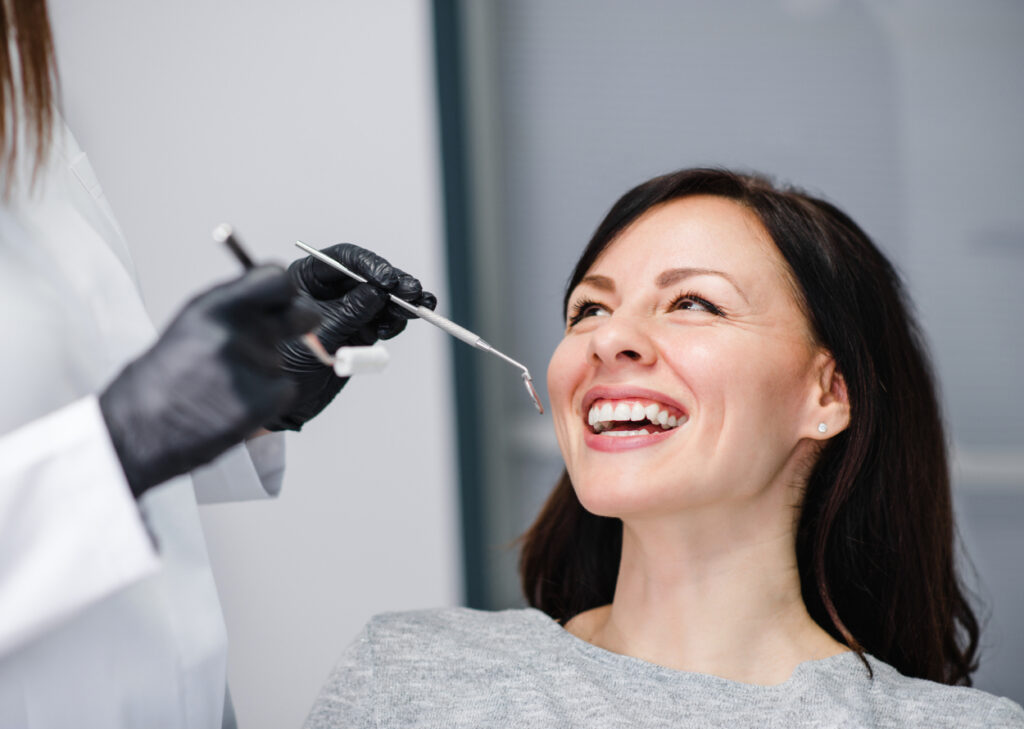
If you have ever been told you need a crown, you probably pictured the standard routine: one long appointment to prepare the tooth, a temporary crown that feels a little odd, a week or two of being careful while you eat, then a second visit to have the final restoration cemented in place. That is still how many dental crowns are made. CEREC changes that timeline.
CEREC same-day crowns let a dentist design, mill, and place a ceramic crown in a single visit in many cases. For the right patient, it is efficient, comfortable, and remarkably precise. For the wrong case, it can be the less ideal option. That tension matters, because same-day dentistry tends to be marketed as a universal upgrade when it is really a specific tool with real strengths and real limits.
Patients often come in https://oxnarddentistry.blogspot.com/ asking one practical question: “Is this actually as good as a regular crown?” The honest answer is that it can be excellent, but it depends on the tooth, your bite, the material selected, and the skill of the clinical team. A same-day crown is not automatically better just because it is faster. Speed is valuable, but fit, function, and durability matter more.
What CEREC actually means
CEREC stands for Chairside Economical Restoration of Esthetic Ceramics. Most patients do not need the acronym. What matters is the workflow behind it. Instead of taking a physical impression and sending it to an outside lab, the dentist uses an intraoral scanner to create a digital model of your tooth. That model is used to design the crown on software, then a milling unit carves the restoration from a solid ceramic block right in the office.
After milling, the crown is adjusted, polished or glazed, and bonded or cemented onto the prepared tooth, often the same day. Depending on the case, the entire process may take around 90 minutes to a few hours.
That time estimate varies more than people expect. A straightforward single crown on an upper premolar with easy access can move quickly. A molar with a deep margin, a complex bite, or a patient who has limited ability to stay open may take longer. Same-day does not always mean fast in the sense of rushing. Ideally, it means efficient without handing important steps off to an outside lab.
Why patients are drawn to same-day crowns
The appeal is obvious. Nobody loves temporary crowns. They can loosen, fracture, trap food, or feel bulky. Even when they behave well, they are still provisional. You chew a little more cautiously, floss a little more nervously, and hope it lasts until the second appointment.
With CEREC, you can often leave with the final restoration already in place. That reduces disruption to work schedules, childcare logistics, travel planning, and the basic inconvenience of having dental treatment stretch across multiple visits. For people who grind their teeth or have had temporary crowns pop off in the past, eliminating that phase is more than a convenience.
There is also a comfort benefit. Digital scanning is easier for many patients than conventional impressions, especially for people with a strong gag reflex. Traditional impression material can feel messy and claustrophobic. Intraoral scanning is not perfect, but most people tolerate it better.
From a clinical standpoint, the digital workflow can be very accurate when handled well. Small discrepancies can still happen, of course, but modern scanners and design software are capable of producing highly precise dental crowns. The result can fit beautifully, especially when the preparation design is clean and the operator is experienced with digital dentistry.
How the appointment usually unfolds
The day starts much like a conventional crown appointment. The dentist examines the tooth, confirms that a crown is the right restoration, numbs the area, and reshapes the tooth to create room for the ceramic. If there is old decay or a failing filling, that is removed first. Sometimes a build-up is needed to recreate enough structure to support the crown.
After the tooth is prepared, the office captures a digital scan. This includes the treated tooth, the neighboring teeth, and the bite relationship with the opposing arch. Good scans depend on visibility. Saliva control matters. Bleeding around the gumline can interfere with the image. That is one reason some cases are easy to scan and others are not.
Once the scan is complete, the crown is designed on the screen. This stage is more technical than many patients realize. The software helps, but it does not make judgment calls on its own. The dentist adjusts contacts, contours, thickness, and bite relationships. A well-designed crown should not just fill the space. It should function naturally, allow proper flossing, and distribute force in a healthy way.
The design is sent to the milling machine, which shapes the crown from a ceramic block selected to match the shade of your tooth. Milling often takes minutes, not hours, but the process does not end there. The crown usually needs finishing. Depending on the material, it may be polished and placed, or it may be stained, glazed, or fired in a ceramic oven for added strength or improved esthetics.
Finally, the dentist tries the crown in, checks the fit, verifies the bite, makes any fine adjustments, and bonds or cements it into place.
The materials matter more than the marketing
When people hear “same-day crown,” they often assume all CEREC crowns are made from the same thing. They are not. Different ceramics can be used, and those material choices affect strength, translucency, wear characteristics, and bonding requirements.
Many chairside crowns are made from ceramic materials such as feldspathic ceramics, leucite-reinforced ceramics, lithium disilicate, or zirconia-based options, depending on the system and office setup. In plain terms, some materials are more beautiful and lifelike, some are tougher, and some strike a middle balance.
Lithium disilicate is popular because it combines pleasing esthetics with good strength for many single-unit restorations. Zirconia is extremely strong and useful in high-force situations, though esthetic blending and finishing protocols differ. On front teeth, shade matching and translucency may matter more than raw strength. On back molars in a heavy grinder, durability may become the dominant concern.
This is where blanket claims start to fall apart. A same-day crown can be excellent, but only if the right material is chosen for the right tooth in the right patient. One size does not fit all.
When CEREC is a particularly good option
Same-day crowns tend to shine in routine single-tooth restorations where the preparation is clearly visible, the margins are accessible, and esthetics are important but not extraordinarily demanding. They are often a strong choice for premolars and many molars, as well as selected front teeth when the color match is straightforward.
They are also useful for patients whose schedules make repeat visits difficult. A business traveler who can spare one long afternoon but not two separate appointments is a classic example. So is a parent trying to minimize time away from work and school pickup. In those cases, the convenience is not trivial. It can be the difference between getting treatment done promptly and delaying it until the tooth worsens.
CEREC can also be very appealing after a root canal. Once the tooth has been treated and needs full coverage, many patients are relieved to complete the restoration without wearing a temporary crown for the next couple of weeks.
When a traditional lab-made crown may be better
This is the part many promotional pages skip. Some situations are better served by a skilled dental laboratory.
If a front tooth has complicated esthetic demands, such as neighboring teeth with subtle translucency, internal color variation, or unusual shape characteristics, a ceramist in a lab may be able to create a more refined result than a same-day office workflow. Chairside systems have improved dramatically, but complex smile-zone artistry still benefits from custom layering and hand finishing in certain cases.
Deep subgingival margins can also complicate digital scanning. If the edge of the preparation sits too far below the gumline, capturing it clearly may be difficult. Bleeding, saliva, and tissue position all affect scan quality. An excellent conventional impression or a digitally assisted lab workflow can sometimes handle those cases more predictably.
Bite issues matter too. Patients with severe clenching, advanced wear, unstable occlusion, or parafunctional habits may need additional planning beyond simply replacing the tooth structure. Sometimes that still includes a same-day crown. Sometimes it points toward a lab-fabricated solution, nightguard therapy, or a broader rehabilitation plan first.
Large bridges are another category where traditional lab involvement is often preferable. CEREC is strongest for single-unit restorations and selected smaller cases, not every possible prosthetic design.
The biggest advantages, without the hype
The benefits of CEREC are real, and when the case is suitable, they are substantial.
- One visit instead of two in many cases
- No traditional impression material for most patients
- No temporary crown period
- Digital design with precise fit potential
- Ceramic restorations that look natural and feel smooth
Even that list needs a little nuance. “One visit” usually means one longer visit. “Precise fit” depends on good preparation, moisture control, and careful finishing. “Natural look” depends on shade selection, material, and the visibility of the tooth when you smile. The technology is excellent, but technology does not erase clinical judgment.
Questions patients should ask before choosing a same-day crown
A good consultation is more valuable than any brochure. If you are deciding between CEREC and a conventional crown, ask direct questions and listen for specific, thoughtful answers rather than sales language.
- Is my tooth a good candidate for a same-day crown, and why?
- What material do you recommend for this specific tooth?
- How will the crown hold up if I grind or clench?
- Are there esthetic limits compared with a lab-made crown?
- What happens if the fit or bite needs adjustment after placement?
Those questions reveal a lot about the office philosophy. An experienced dentist should be able to explain not just the benefits, but also the trade-offs. If every tooth is treated as an automatic same-day case, that is a red flag. Good dentistry is individualized.
How long do CEREC crowns last?
Patients understandably want a clear number. Realistically, dental crowns of any kind do not come with a universal expiration date. Longevity depends on the material, the amount of remaining tooth structure, bite forces, oral hygiene, cavity risk, and whether the tooth has already had root canal treatment.
A well-made ceramic crown can last many years, often a decade or longer, and some last much longer than that. But crowns fail for different reasons. Sometimes the ceramic chips or fractures. More often, the issue is decay forming at the margin, cement breakdown, recurrent leakage, or problems with the underlying tooth. A crown can be beautifully made and still fail early if the patient has dry mouth, uncontrolled acid erosion, or heavy nighttime grinding.
One pattern shows up repeatedly in practice: patients think the crown itself is the whole story, but the underlying tooth is the real foundation. A crown protects and restores. It does not make the tooth indestructible.
Cost and insurance realities
The price of a CEREC crown is usually comparable to that of a conventional all-ceramic crown, though fees vary by region, material, and office. Same-day technology does not always mean cheaper. In many offices, it costs about the same because the investment in scanners, milling equipment, software, training, and maintenance is significant.
Insurance plans often cover crowns based on clinical necessity rather than the manufacturing method. In other words, your plan may contribute toward a crown whether it is made in-office or by an outside lab, but coverage limits, waiting periods, and exclusions still apply. Front-tooth crowns, replacement frequency, and core build-ups can all affect your out-of-pocket cost.
The key point is that convenience should not distract from value. A lower fee is not a bargain if the restoration is not well suited to your situation. Likewise, paying slightly more for a restoration that saves another appointment and eliminates a temporary crown may be a very reasonable trade.
What recovery feels like
Recovery from a same-day crown is usually straightforward. Once the numbness wears off, mild gum tenderness or tooth sensitivity is common for a day or two, especially if the preparation was deep or the tooth was already irritated. Most people return to normal eating quickly, although very hard or sticky foods are better avoided until the anesthesia is gone and the bite feels confirmed.
Bite awareness is the most common short-term issue. Even a very small high spot can make the crown feel “off,” especially on a molar. Patients often describe it as hitting first when they close. That should not be ignored. A tiny adjustment can make a dramatic difference in comfort and prevent overload.
Bonded ceramic crowns can feel fully integrated very quickly, but adaptation varies. If the crown is on a tooth that had a large broken filling before treatment, it may actually feel unfamiliar simply because your bite is being restored to a more normal shape.
Common concerns that come up after placement
One understandable fear is that a crown placed in one day must be more likely to fall off. That is not inherently true. Retention depends on tooth preparation, material, bonding or cementation protocol, and bite forces, not the fact that the crown was milled in the office.
Another concern is strength. Some patients assume lab-made means stronger. Sometimes it does, depending on the specific restoration and material. Sometimes it does not. There are highly durable chairside materials, and there are lab-made crowns that fail early because of design problems or extreme bite stress. The method of fabrication is only one piece of the picture.
Shade matching also comes up often. For many posterior teeth, same-day esthetics are more than adequate. For highly visible front teeth, especially when the neighboring teeth have complex color characteristics, a custom lab crown may still offer a better cosmetic result. That is not a flaw in CEREC. It is simply the reality that fine esthetic dentistry can require layered artistry.
A few practical signs of a good result
A successful crown does not call attention to itself. It feels like part of your mouth. Floss should pass through with light resistance, not shred. The bite should feel even. The gum around the crown should settle and look healthy. Cold sensitivity should improve over time rather than worsen.
If a crown traps food, feels too tall, pinches the floss, or leaves the gum chronically irritated, something needs reevaluation. The sooner that happens, the easier it is to correct. Patients sometimes wait because they assume a new crown just “takes time to get used to.” Sometimes it does. Persistent functional problems are different.
The skill of the dentist still outweighs the machine
This may be the single most important thing to understand. CEREC is impressive technology, but it is not an autopilot system for perfect dentistry. The scanner does not decide whether a tooth should have a crown versus a large filling or an onlay. The software does not manage moisture control, diagnose cracks, or judge whether a margin should be moved. The milling machine does not know whether the patient has a destructive bruxing habit.
In experienced hands, CEREC can produce superb dental crowns with excellent fit and strong patient satisfaction. In rushed or poorly selected cases, it can produce crowns that are merely fast.
That distinction shows up in small details. Experienced clinicians know when to stop and convert a same-day plan into a lab case. They know when tissue management is insufficient for a reliable scan. They know when a material that looks beautiful on screen may not be ideal for a patient who breaks restorations. Technology expands options, but judgment decides outcomes.
How to decide whether CEREC is right for you
The best candidates for same-day crowns are not just people who want speed. They are people whose teeth fit the strengths of the system. If your case is a routine single-tooth restoration with good access, healthy surrounding gums, and manageable bite forces, CEREC may be an excellent choice. If you have highly specific cosmetic goals, deep decay near the gumline, or a complicated bite pattern, a traditional lab-made crown may serve you better.
The smartest way to approach the decision is to think beyond the calendar. One visit is appealing, but long-term comfort, gum health, and durability matter more. Ask why the dentist recommends one option over the other. Ask what material will be used. Ask whether your grinding, clenching, or previous dental history changes the plan.
When those answers are thoughtful and case-specific, same-day crown technology can be one of the most satisfying advances in modern restorative dentistry. It saves time, avoids temporary crowns, and can deliver beautiful, functional results. The real value is not that it is faster. The real value is that, for the right tooth in the right hands, it can be both fast and very good.
Oxnard Dentistry
Address: 1730 E Gonzales Rd, Oxnard, CA 93036
Phone number: +18056049999
FAQ About Dental Crowns Oxnard CA
How long do crowns last on teeth?
Dental crowns typically last 10 to 15 years, but can last 20 to 30 years with excellent oral hygiene. Lifespan depends heavily on the crown material, your daily brushing and flossing habits, and whether you clench or grind your teeth.
What is the downside of crowns on teeth?
The primary downside of dental crowns is that the preparation process is irreversible. To properly fit a crown, a dentist must permanently shave down a significant portion of your natural tooth enamel. This exposes the tooth to potential risks like nerve inflammation, increased sensitivity, and structural weakening.
Why do dentists push for crowns?
Dentists often recommend crowns to save a structurally compromised tooth. If a tooth is heavily cracked, worn down, or has a cavity too large for a filling, a filling will not provide enough structural support, causing the tooth to eventually split. Crowns act like protective helmets, preventing tooth loss.